Your Clothes Are Aging Faster Than You Think
A well-designed outfit can stay stylish for years, but poor clothing care can make even premium garments look old within a few months. Whether it's your favorite shirt, elegant dress, everyday kurti, or formal trousers, the way you wash, dry, store, and wear your clothes determines how long they retain their color, shape, and comfort. Taking a few simple precautions can help both men's and women's clothing look fresh for much longer.
One of the biggest reasons clothes age quickly is overwashing. Not every garment needs to be washed after a single wear. Jackets, denim, sweaters, and certain ethnic wear can often be aired out and worn again if they are clean. Frequent washing exposes fabrics to friction, detergent, and water, gradually weakening fibers and fading colors.
Choosing the right washing method also makes a noticeable difference. Always read the care label before washing. Delicate fabrics require gentle cycles or hand washing, while everyday cotton garments benefit from mild detergents and cold water. Hot water may seem more effective, but it often causes shrinkage, color fading, and damage to fabric fibers over time.
Sorting laundry is another habit that protects your wardrobe. Washing dark colors with light garments can lead to color transfer, while rough fabrics like denim or garments with zippers can create unnecessary friction against softer clothing. Separating clothes by color and fabric type helps preserve their original appearance.
Drying techniques are equally important. Direct sunlight may dry clothes faster, but prolonged exposure can fade vibrant colors and weaken delicate fabrics. Whenever possible, dry garments in a shaded, well-ventilated area. Hanging heavier clothing incorrectly can also stretch the fabric, so knitwear and sweaters are often better dried flat to maintain their shape.
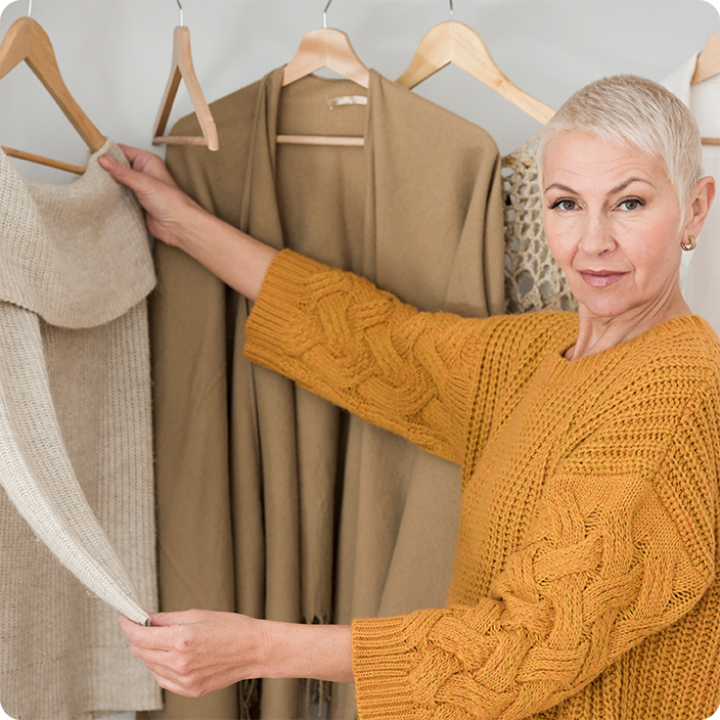
Storage plays a larger role than many people realize. Overcrowded wardrobes cause wrinkles, fabric friction, and unnecessary wear. Use sturdy hangers for shirts, dresses, blazers, and jackets, while folding heavier knitwear prevents stretching. Keeping clothes in a cool, dry space also protects them from moisture, mildew, and unpleasant odors.
Ironing at excessive temperatures is another common mistake. Different fabrics require different heat settings. Using the wrong temperature can scorch fibers, leave shiny marks, or permanently damage delicate materials. A steam iron or garment steamer often provides a safer way to remove wrinkles while protecting the fabric.
Quality clothing deserves thoughtful rotation. Wearing the same few outfits repeatedly while ignoring the rest of your wardrobe accelerates wear on those garments. Rotating your shirts, dresses, trousers, kurtas, and tops evenly allows fabrics to recover between wears, extending their overall lifespan.
Small repairs should never be postponed. Loose buttons, minor tears, or weak seams are inexpensive to fix when noticed early. Ignoring them often turns a simple repair into irreversible damage that shortens the life of the garment.
Your wardrobe is an investment in both style and confidence. Caring for your clothes properly preserves their fit, color, and finish while reducing unnecessary replacements. Whether you're choosing timeless essentials or seasonal fashion for men and women, proper maintenance ensures every piece continues to look polished, comfortable, and ready for every occasion. Good clothing care doesn't just protect fabric—it protects the value and style of your entire wardrobe.